
Soft, rich, and loaded with creamy peanut butter flavor, these peanut butter cookies are everything you love about a bakery favorite, made simple for the home kitchen. Golden at the edges and soft in the center, each cookie has that irresistible balance of sweet, salty, and nutty goodness. As the butter and peanut butter brown together, the kitchen fills with that warm, nostalgic aroma that signals one thing: the best peanut butter cookies are about to come out of the oven.

Key Takeaways
- These peanut butter cookies are soft, chewy, and rich with creamy flavor, making them a family favorite.
- The recipe features balanced ingredients like salted butter, brown sugar, and creamy peanut butter for deep, rich taste.
- Chilling the dough is crucial for thick, bakery-style cookies, while using quality peanut butter enhances texture and flavor.
- Baking tips include using room temperature ingredients, avoiding overmixing, and knowing how to troubleshoot common issues.
- The cookies freeze well and can be stored for days, retaining their softness and chewy texture.
Jump to:
- Key Takeaways
- Family-Favorite Peanut Butter Cookies
- Why You'll Love This Recipe
- Ingredients You Need
- How to Make
- Kendra's Top Tips:
- Pro Baking Tips and Troubleshooting
- Variations, Substitutions, and Storage
- Recipe FAQs
- Why These Are My Family's Favorite
- Recipe
- Bake What's Next
- If You Loved This, Try These!
- Comments
Family-Favorite Peanut Butter Cookies
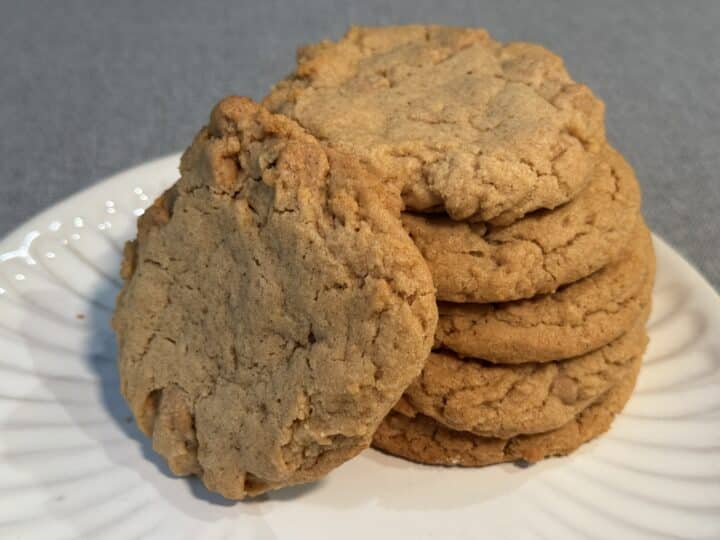
This peanut butter cookies recipe is the kind of foundational bake every home baker should know. Buttery, chewy, and rich with peanut flavor, these cookies have soft centers and just the right golden edges. The creamy peanut butter and brown sugar create deep flavor, while a short chill ensures that thick, bakery-style bite. Whether you're baking a batch for after-school snacks or sharing with friends, this is the only peanut butter cookies recipe you'll ever need.
Some recipes don't just make cookies, they make memories. These chewy peanut butter cookies became a Boettner family favorite after I made them for my kids' teacher tailgate celebration. I still remember the smell of the first tray coming out of the oven, that perfect blend of butter, sugar, and roasted peanut. Within minutes, the plate was empty. And if you've ever baked for a crowd of teachers, you know that's the highest compliment you can get.
There's something timeless about a classic cookie. These cookies are the kind you bake with a little one standing on a stool beside you, hands sticky with dough, learning what joy smells like. If you love nostalgic, comforting cookies, you'll also enjoy our Best No Bake Oatmeal Cookies and our Chewy Bakery Style Chocolate Chip Cookies!
Why You'll Love This Recipe
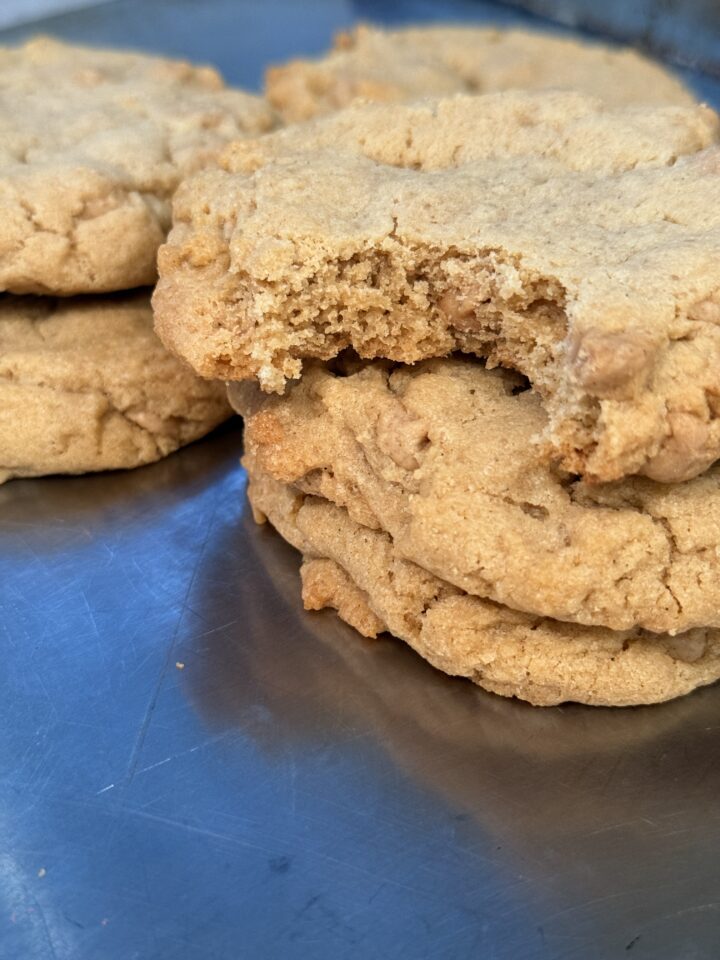
These best peanut butter cookies hit every note you want in a homemade cookie. Soft, chewy, deeply flavorful, and just a little crisp on the edges.
- Thick and chewy texture - The right balance of fat, sugar, and flour creates a tall, tender cookie.
- Deep peanut flavor - Using one cup creamy peanut butter gives that unmistakable richness.
- Soft yet crisp edges - The sugars caramelize during baking, creating perfect contrast.
- Easy steps - This recipe walks you through each step clearly so it's approachable even for beginners.
- Make-ahead friendly - The cookie dough can chill overnight or freeze beautifully.
Quick Answer: How to Make Peanut Butter Cookies
To make peanut butter cookies, cream butter, sugars, and one cup creamy peanut butter until fluffy. Add eggs and vanilla, then mix in flour, baking soda, and salt. Chill the cookie dough, scoop onto a baking sheet, and bake at 375°F until golden at the edges and soft in the center for perfect chewy peanut butter cookies.
Ingredients You Need
Each ingredient plays a role in the science behind perfect peanut butter cookies. When you understand why something works, you bake with confidence.
- 1 cup salted butter (room temperature) - I use salted butter intentionally. Salt brings out flavor balance and enhances the nuttiness of peanut butter, while the butterfat gives a tender crumb. The trace water content in butter also helps activate gluten just enough for structure. Unsalted butter can make the dough taste flat unless you rebalance the salt manually.
- 1 cup brown sugar (packed) - Brown sugar contributes molasses, which retains moisture and creates that chewy texture even after a few days.
- 1 cup granulated sugar - Helps edges crisp and aids the Maillard reaction for golden color.
- 1 cup creamy peanut butter - Use a natural Jif or similar stabilized peanut butter (not the kind with oil separation). The emulsifiers in stabilized peanut butter ensure consistent texture and keep the dough cohesive.
- 2 large eggs - Eggs bind and emulsify the fats and sugars, adding both moisture and strength.
- 1 tablespoon vanilla bean paste - Deepens aroma and adds warmth that complements peanut flavor.
- 2¾ cups all-purpose flour - The backbone of structure. Accurate measurement matters; too much flour and the cookies become dense.
- 1 teaspoon baking soda & ½ teaspoon baking powder - The combination provides both immediate lift and lasting tenderness. Baking soda aids browning; baking powder creates that soft, rounded dome.
- 1 teaspoon salt - Even with salted butter, a little extra salt balances sweetness and amplifies flavor complexity.
- 10 oz Reese's peanut butter chips - Little bursts of creamy sweetness in every bite.
How to Make
Baking is science, but it's also rhythm. Once you understand the flow, every step builds toward texture and flavor.
- Cream the butter, peanut butter, and sugars - Beat for 3 to 4 minutes until pale and fluffy. This process incorporates air into the fat, building a delicate structure that helps the cookies rise instead of spread.
- Add eggs and vanilla - Blend just until combined. Overmixing at this stage develops gluten and makes cookies tough.
- Combine the dry ingredients - In a separate bowl, whisk flour, baking soda, baking powder, and salt. Mixing them first ensures even leavening distribution.
- Add dry to wet - Gradually incorporate the flour mixture. Stop when only a few streaks of flour remain visible; the rest will blend as you fold in the chips.
- Fold in peanut butter chips - Use a spatula to fold gently. Overworking can deflate the air you created during creaming.
- Chill the dough - Chill 20 to 30 minutes. Cold dough means cold butter, and that means thick, chewy cookies instead of thin, crispy ones.
- Scoop onto a baking sheet - Use a 2-3 tablespoon scoop for even size. Place dough balls 2 inches apart on a parchment-lined baking sheet.
- Bake - Bake at 375°F for 8-12 minutes until edges are golden and centers look just barely set.
- Cool - Let the cookies rest on the baking sheet for 5-10 minutes before moving to a rack. They'll finish setting from residual heat.
Kendra's Top Tips:
If you love bakery-style chewiness, don't skip the chill step. Cold dough spreads more slowly, letting the interior cook gently and retain moisture. That's how you get those soft centers with lightly crisp edges.
For even richer flavor, brown half your butter first! Melt and brown ½ cup of butter until golden and nutty, then let it cool before creaming with the remaining softened butter. The brown butter intensifies flavor and adds subtle toffee undertones.
Pro Baking Tips and Troubleshooting
Even a classic recipe like peanut butter cookies has a few technical secrets worth mastering. Understanding the "why" behind each part of the process will give you consistent success.
Tips for the Best Peanut Butter Cookies
- Use quality peanut butter - A stabilized creamy peanut butter ensures smooth texture and prevents excess oil spread.
- Room temperature ingredients - Butter and eggs should both be soft to blend evenly, trapping air for lift.
- Chill your dough - The most common reason cookies flatten is warm butter. Cold dough equals thicker cookies.
- Don't skip cooling - Cookies continue baking on the sheet from residual heat; patience here means chewy perfection.
- Use light-colored pans - Dark pans brown faster and can overbake the bottoms.
Troubleshooting Common Issues
Cookies spread too much
Likely cause: warm butter, warm dough, or a hot baking sheet. Butter needs to stay semi-solid for the first few minutes so structure can set.
Fix: chill the cookie dough 20 to 30 minutes, scoop onto a cool, parchment lined baking sheet, and bake one pan at a time. If your kitchen is warm, portion the dough and chill the scooped balls before baking.
Dry or crumbly cookies
Likely cause: too much flour or overbaking. Excess flour increases starch absorption, pulling moisture away from the crumb.
Fix: spoon and level flour or use a scale, and pull cookies when centers still look soft. Carryover heat on the pan finishes the bake without drying.
Flat cookies with little lift
Likely cause: old baking soda or over-creamed butter. Too much trapped air collapses in the oven, and weak leavening cannot support structure.
Fix: replace baking soda every 6 months, cream until just pale and fluffy, then stop. Do not whip until glossy.
Pale cookies with little browning
Likely cause: oven running cool or underbaking. Proper browning is Maillard reaction plus caramelization of sugars.
Fix: verify temperature with an oven thermometer. Bake until edges are golden and centers are set but soft.
Overly brown bottoms
Likely cause: dark pans, lower rack position, or excess sugar on hot metal.
Fix: use light colored aluminum, line with parchment, bake on the center rack. If needed, double-pan by nesting one baking sheet inside another to soften bottom heat.
Greasy cookies or oily sheen
Likely cause: natural peanut butter that separates or butter too soft. Free oils weaken the dough emulsion and encourage spread.
Fix: use stabilized creamy peanut butter, like natural Jif. Start with butter that is cool-room-temp and not shiny.
Sticky dough that is hard to scoop
Likely cause: warm room, warm hands, or recently creamed fats.
Fix: chill the bowl 15 minutes, then scoop. You can also pre-chill the baking sheet so portions firm on contact.
Uneven baking from pan to pan
Likely cause: hot spots or crowded oven.
Fix: bake one sheet at a time on the center rack and rotate the pan at the halfway mark for even color and doneness.
Cracks too deep or craggy tops
Likely cause: dough very cold or flour on the high side. Cold surfaces set fast and split as interiors expand.
Fix: let scooped dough sit 5 minutes before baking so the surface relaxes slightly, then bake.
Cookies firm up too much after cooling
Likely cause: overbaking or low ambient humidity.
Fix: aim for soft centers at pull time. For storage, add a small piece of sandwich bread to the container. Brown sugar's molasses and the bread's moisture help keep crumb tender.
Pro note on doneness
Visual cues beat timers. When the edge is golden and the center has a soft, matte look, remove the pan. The residual heat of the baking sheet plus steam redistribution sets the interior and preserves chew.
Variations, Substitutions, and Storage
This chewy peanut butter cookies recipe is a foundation you can customize to fit your taste, pantry, or dietary needs. Whether you want to make them a little fancier for a bake sale or tweak them for a gluten-free friend, these variations and substitutions are tested and easy to follow.
Variations and Substitutions
- Add chocolate chips - For that timeless peanut butter-chocolate flavor combination, fold in up to 1 cup of semi-sweet or milk chocolate chips along with the peanut butter chips.
- Swirl with Nutella - Drop a small teaspoon of Nutella into the center of each dough ball before baking for a gooey, chocolate-hazelnut surprise.
- Use crunchy peanut butter - Adds texture and a gentle salt contrast to the sweetness. Reduce bake time by 1 minute to keep centers soft since crunchy peanut butter absorbs a bit more moisture.
- Peanut butter cup version - Press a mini Reese's peanut butter cup into each cookie as soon as they come out of the oven for a bakery-style finish.
- Make it gluten-free - Substitute a cup-for-cup gluten-free flour blend that includes xanthan gum. Expect a slightly more delicate texture, but the cookies will still be thick and soft.
- Extra flavor boost - Sprinkle a touch of flaky sea salt on top just before baking to balance sweetness and highlight the peanut butter's roasted depth.
Storage
Proper storage keeps your cookies soft, chewy, and delicious for days (or weeks, if you freeze them). Follow these steps for best results:
- Room temperature - Store cooled cookies in an airtight container for up to 5 days. The brown sugar helps retain moisture, keeping them tender.
- Layer with parchment - If stacking cookies, separate layers with parchment paper to prevent sticking.
- Freezing cookie dough - Scoop cookie dough into balls, place them on a baking sheet, and freeze until solid. Once frozen, transfer to a labeled freezer-safe bag.
- Baking from frozen - Bake frozen dough balls directly on a parchment-lined baking sheet. Add 1-2 extra minutes to the bake time; no need to thaw.
- Freezing baked cookies - Cool completely, then store in a freezer-safe container for up to 2 months. Thaw at room temperature or warm in a 300°F oven for 3-5 minutes.
- Revive day-old cookies - If your cookies start to firm up, add a small piece of sandwich bread to the container overnight. The bread's moisture helps soften them again naturally.
Recipe FAQs
Traditional peanut butter cookies use all-purpose wheat flour, so they are not naturally gluten-free. However, you can easily adapt this recipe using a cup-for-cup gluten-free baking blend that includes xanthan gum. These blends mimic gluten's structure, giving lift and chew. Just be sure your baking soda, baking powder, and peanut butter are certified gluten-free to avoid cross-contamination.
Chewiness comes from moisture retention and sugar chemistry. Brown sugar's molasses acts as a natural humectant-it draws and holds moisture even after baking. Chilling the dough allows fats to firm up, which slows spread and keeps centers tender. Pull the cookies while the centers still look slightly underbaked; they'll set perfectly as they cool.
Salted butter deepens the flavor profile of peanut butter cookies. The salt balances sweetness, enhances nutty richness, and slightly shortens gluten strands for a tender crumb. If you only have unsalted butter, simply add an extra ¼ teaspoon of salt to the dry ingredients to achieve the same balanced flavor.
Yes-both the dough and baked cookies freeze beautifully. Freezing the dough even improves flavor because the flour hydrates and the sugars undergo slow enzymatic changes, deepening caramel notes. Scoop the dough onto a tray, freeze until firm, and store in an airtight freezer bag for up to two months. Bake straight from frozen, adding one to two extra minutes of bake time.
It's best to avoid it. The oil separation in natural peanut butter prevents proper emulsification of fats and sugars, often leading to greasy, flat cookies. Stabilized peanut butter, such as natural Jif, maintains the correct ratio of solids to fat, ensuring consistent structure and a smooth, creamy crumb.
Butter that's too soft or dough that's too warm melts before the cookie sets. For thick, chewy cookies, your butter should be soft enough to press with a fingertip but still cool. Chilling the dough for 20-30 minutes before baking solidifies fats and limits spread, while also improving flavor.
Dry cookies usually come from over-measuring flour or baking too long. Flour acts like a sponge; compacting even two extra tablespoons can change texture dramatically. Spoon and level your flour for accuracy, and remember-cookies continue cooking from residual heat after leaving the oven.
If you love the nostalgic fork pattern on top, gently press each dough ball with the tines of a fork dipped in sugar before baking. This pattern slightly flattens the dough for even baking and gives that classic, home-baked look while adding a hint of crunch from the caramelized sugar.
Absolutely! For smaller cookies (about 1 tablespoon of dough), bake 7-8 minutes for crisp edges. For bakery-style large cookies (3 tablespoons), bake closer to 11-12 minutes for gooey centers. Always leave space between cookies-larger cookies spread more as they bake.
Why These Are My Family's Favorite
What makes these the best peanut butter cookies?
It's the balance of science and simplicity. The creaming method builds lift, the brown sugar keeps them soft, and chilling the dough locks in structure for a bakery-style bite. Every ingredient has a purpose, so you end up with cookies that taste homemade but look (and chew) like something straight from a bakery case.
Because even the best bakers have off days, here's a short, go-to reference when your peanut butter cookies don't quite cooperate.
1. Cookies Spread Too Much
What's happening: The butter melted before the structure set.
Why: Warm dough, soft butter, or a hot baking sheet lets fats liquefy too quickly.
Fix:
- Chill the cookie dough at least 20-30 minutes.
- Start with a cool baking sheet each batch.
- If your kitchen is warm, freeze the scooped dough balls for 10 minutes before baking.
2. Cookies Are Dry or Crumbly
What's happening: The dough lacks enough available moisture.
Why: Too much flour or overbaking pulls moisture from the crumb.
Fix:
- Spoon and level flour-never scoop directly from the bag.
- Bake just until edges are golden and centers look soft.
- For next time, try adding 1 extra tablespoon of peanut butter or brown sugar for a more tender texture.
3. Cookies Turn Out Too Dark
What's happening: The bottoms over-caramelized.
Why: Dark pans conduct heat faster, or the rack was too low.
Fix:
- Use a light-colored aluminum pan lined with parchment.
- Bake on the middle rack for even heat.
- Double-pan (stack two baking sheets) if your oven runs hot-this cushions direct heat for a softer, even bake.
Kendra's Pro Tip
Consistency is confidence. Keep an inexpensive oven thermometer inside your oven; most home ovens run 15-25°F off target. Once you know your real temperature, every cookie recipe suddenly becomes more predictable (and every batch more perfect).
Recipe
The Best Peanut Butter Cookies Recipe
Equipment
- stand mixer For creaming butter, sugars, and one cup creamy peanut butter until fluffy.
- Large mixing bowls One for wet ingredients and one for dry, to prevent overmixing the cookie dough
- Rubber Spatula Perfect for folding in peanut butter chips gently.
- Measuring Cups and Spoons For accurate ingredient measurement.
- Digital kitchen scale Ensures precise flour and sugar amounts for consistent cookies. (optional)
- large, spring ice cream/cookie scoop Keeps cookies uniform for even baking.
- Baking Sheet Lined with Parchment Paper Light colored, revents over-browning and helps cookies bake evenly.
- Cooling Rack Keeps cookies from sticking and simplifies cleanup.
- Digital Thermometer Confirms accurate baking temperature for consistent results.
Serving Size Adjustment
If needed, you can double or triple the serving sizes.
Unit Conversion
Selected US Customary or Metric Unit.
Ingredients
- 1 cup salted butter room temperature
- 1 cup brown sugar packed
- 1 cup granulated sugar
- 1 cup creamy peanut butter natural Jif recommended
- 2 large eggs
- 1 tablespoon vanilla bean paste
- 2¾ cups all-purpose flour
- 1 teaspoon baking soda
- ½ teaspoon baking powder
- 1 teaspoon salt
- 10 ounces Reese's peanut butter chips
Instructions
- Preheat oven to 375°F (190°C). Line baking sheets with parchment paper or silicone baking mats.
- In a large bowl or stand mixer, cream together butter, creamy peanut butter, brown sugar, and granulated sugar for 3 to 4 minutes, until light and fluffy.1 cup salted butter, 1 cup brown sugar, 1 cup creamy peanut butter, 1 cup granulated sugar
- Add eggs and vanilla bean paste. Mix just until combined.2 large eggs, 1 tablespoon vanilla bean paste
- In a separate bowl, whisk together flour, baking soda, baking powder, and salt.2¾ cups all-purpose flour, 1 teaspoon baking soda, ½ teaspoon baking powder, 1 teaspoon salt
- Gradually add the dry ingredients to the wet mixture, mixing until just incorporated. Do not overmix the cookie dough.
- Fold in Reese's peanut butter chips using a rubber spatula.10 ounces Reese's peanut butter chips
- (Optional) Chill the dough for 20 to 30 minutes to prevent spreading and create thicker cookies.
- Scoop dough into 2-3 tablespoon portions and place on a parchment-lined baking sheet about 2 inches apart.
- Bake for 8 to 12 minutes, until the edges are golden and the centers look slightly soft.
- Let cookies cool on the baking sheet for 5 to 10 minutes before transferring to a wire rack to finish cooling.
Notes
Nutrition
Bake What's Next
If this recipe blessed your kitchen, you'll find even more cozy, confidence-building bakes right here. Whether you're craving something quick for after school or a make-ahead dessert for Sunday lunch, these are my top picks to try next.
The Best No Bake Oatmeal Cookies
A no-oven classic for busy days. Cocoa, oats, and peanut butter come together in minutes to make a chewy, chocolatey cookie that tastes like childhood. Perfect for when the kitchen's already warm or you just need something simple and sweet after dinner.
White Chocolate Chip Snickerdoodles
Soft, buttery, and coated in cinnamon sugar, these cookies bake up with pillowy centers and a creamy white chocolate twist. If your family loves classic snickerdoodles, this version feels a little more special-without any extra effort.
May your next bake bring as much joy as the smell of these warm peanut butter cookies cooling on your counter. And as always, if this recipe made it to your table, tag @thebakerstablesc or leave a quick note below-I'd love to see what you're baking next.
Real ingredients. Real connection. Really good baking.
🧁 Follow along on Instagram, Facebook, and Pinterest
1️⃣ My 'The Best No Bake Oatmeal Cookie" was my #1 recipe in 2025 and still is in 2026! Easy and kid friendly and yet so flavorful!
📋 Browse Kendra's favorite recipes
🍪 Or explore more by category:
📋 Baking tips, techniques, and tutorials:


Comments
No Comments