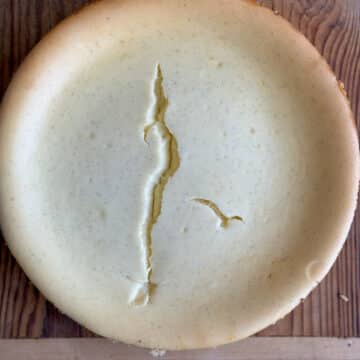
Vanilla Biscoff Cheesecake
This Vanilla Biscoff Cheesecake is rich, creamy, and truly worth making from scratch. With a buttery Biscoff cookie crust and a smooth vanilla cheesecake filling, it’s baked low and slow for a beautiful texture that sets perfectly after an overnight chill. This is the cheesecake I make when I want something special that I know will turn out.
Author: Kendra Boettner
Equipment
- 1 9-inch springform pan Essential for clean edges and easy removal once the cheesecake is fully chilled.
- 1 food processor Used to turn Biscoff cookies into fine crumbs for an even, sturdy crust.
- 1 stand mixer I use my KitchenAid stand mixer, but a hand mixer works just fine. The key is gentle, even mixing.
- 1 large mixing bowl For combining the cheesecake filling smoothly and evenly.
- 1 Rubber Spatula Important for scraping the bowl so everything mixes without overworking the batter.
- Measuring Cups and Spoons Cheesecake is precise, so accurate measuring matters here.
- 1 Roasting pan or large baking dish Used to hold the springform pan when baking in a water bath.
- 1 Aluminum foil To wrap the springform pan and protect the crust during the water bath.
- 1 Instant read thermometer The most reliable way to know when your cheesecake is done without guessing.
- 1 parchment paper Lining the bottom of the pan makes removal easier and cleaner.
- 1 Sharp knife For clean, even slices once the cheesecake is fully chilled.
Ingredients
Biscoff Crust
- 32 Biscoff cookies about 8.8 oz / 250 g
- 5 tablespoons salted butter melted
Cheesecake Filling
- 32 oz full-fat cream cheese room temperature (4 blocks)
- 1½ cups granulated sugar
- 1½ cups plain full-fat vanilla Greek yogurt
- 8 tablespoons salted butter melted and slightly cooled
- 5 large eggs room temperature
- 2 teaspoons vanilla bean paste or pure vanilla extract
- ½ teaspoon salt
Instructions
- Preheat the oven to 350°F (177°C) for the crust. Grease a 9-inch springform pan and line the bottom with parchment paper. If using a water bath, wrap the outside of the pan tightly with foil to prevent leaks.
- Add the Biscoff cookies to a food processor and process until fine crumbs form, about 2 cups. Stir the crumbs together with the melted butter until evenly combined.32 Biscoff cookies, 5 tablespoons salted butter
- Gently press the crust mixture into the bottom of the prepared pan and slightly up the sides. Bake for 10 minutes, then remove from the oven. Reduce the oven temperature to 300°F (150°C).
- In a large bowl, beat the cream cheese until completely smooth and creamy. Take your time here. This step sets the foundation for a lump-free cheesecake.32 oz full-fat cream cheese
- Add the sugar and beat until fully incorporated. Scrape down the sides and bottom of the bowl to ensure everything mixes evenly.1½ cups granulated sugar
- Mix in the Greek yogurt, melted butter, vanilla, and salt. Continue scraping the bowl as needed so the batter stays smooth and uniform.1½ cups plain full-fat vanilla Greek yogurt, 8 tablespoons salted butter, 2 teaspoons vanilla bean paste or pure vanilla extract, ½ teaspoon salt
- Add the eggs one at a time, mixing well after each addition. Once the eggs are added, mix gently. Overmixing at this stage adds air, which can lead to cracks as the cheesecake cools. The batter should be thick, silky, and smooth.5 large eggs
- Pour the cheesecake batter over the pre-baked crust and smooth the top.
- Place the springform pan into a roasting pan or large baking dish. Carefully pour hot water into the outer pan until it reaches about halfway up the sides of the springform pan, creating a water bath. This helps the cheesecake bake gently and evenly.
- Bake at 300°F for 60 to 75 minutes, until the center reaches an internal temperature of 145°F. The edges should be set, and the center should still have a slight jiggle.
- Turn the oven off, crack the oven door open slightly, and allow the cheesecake to rest in the oven for 30 minutes. This gradual cooling helps prevent cracks.
- Remove the cheesecake from the oven and let it cool completely at room temperature.
- Once cooled, cover and refrigerate overnight before removing the springform ring or slicing. Cheesecake needs time to fully set, and this step makes all the difference.
Notes
This cheesecake is the result of years of baking, failing, and finally understanding what actually matters when making cheesecake at home. If cheesecake has ever felt intimidating, I want you to know this recipe was written with you in mind.
Take your time with the cream cheese.
Beating the cream cheese until completely smooth before adding anything else is one of the most important steps. If the cream cheese is cold or rushed, you’ll end up with lumps that never fully smooth out later. I’ve learned this the hard way more than once. Gentle mixing makes a difference.
Once the eggs are added, mix just until combined. Cheesecake batter should be smooth, not fluffy. Overmixing adds air, and that air is one of the main reasons cheesecakes crack as they cool. Why the water bath matters.
A water bath helps the cheesecake bake gently and evenly by regulating the oven temperature and adding moisture to the environment. This keeps the edges from baking too quickly and protects the surface from drying out. If you’ve ever had a cheesecake crack down the center, skipping this step is often the reason. Use a thermometer if you can.
Cheesecake is done by temperature, not by looks. When the center reaches about 145°F, it will finish setting as it cools. This takes the guesswork out and prevents overbaking, which can lead to a dry texture. That oven rest is not optional.
Letting the cheesecake sit in the turned-off oven with the door cracked for 30 minutes allows it to cool slowly. Sudden temperature changes can cause the cheesecake to contract too quickly, which leads to cracks. Chilling overnight is part of the recipe.
Cheesecake needs time to fully set. I know it’s tempting to slice early, especially when kids are asking, but the overnight chill gives you clean slices and the best texture. If it cracks anyway, don’t panic.
Even with perfect technique, small cracks can happen. They don’t affect flavor at all. A cheesecake with a crack still tastes just as good, and once it’s sliced, no one notices. This is the cheesecake I make when I want something special that I know will turn out. It’s dependable, forgiving, and worth the time, especially when you’re baking for the people you love.
Beating the cream cheese until completely smooth before adding anything else is one of the most important steps. If the cream cheese is cold or rushed, you’ll end up with lumps that never fully smooth out later. I’ve learned this the hard way more than once. Gentle mixing makes a difference.
Once the eggs are added, mix just until combined. Cheesecake batter should be smooth, not fluffy. Overmixing adds air, and that air is one of the main reasons cheesecakes crack as they cool. Why the water bath matters.
A water bath helps the cheesecake bake gently and evenly by regulating the oven temperature and adding moisture to the environment. This keeps the edges from baking too quickly and protects the surface from drying out. If you’ve ever had a cheesecake crack down the center, skipping this step is often the reason. Use a thermometer if you can.
Cheesecake is done by temperature, not by looks. When the center reaches about 145°F, it will finish setting as it cools. This takes the guesswork out and prevents overbaking, which can lead to a dry texture. That oven rest is not optional.
Letting the cheesecake sit in the turned-off oven with the door cracked for 30 minutes allows it to cool slowly. Sudden temperature changes can cause the cheesecake to contract too quickly, which leads to cracks. Chilling overnight is part of the recipe.
Cheesecake needs time to fully set. I know it’s tempting to slice early, especially when kids are asking, but the overnight chill gives you clean slices and the best texture. If it cracks anyway, don’t panic.
Even with perfect technique, small cracks can happen. They don’t affect flavor at all. A cheesecake with a crack still tastes just as good, and once it’s sliced, no one notices. This is the cheesecake I make when I want something special that I know will turn out. It’s dependable, forgiving, and worth the time, especially when you’re baking for the people you love.
Nutrition
Calories: 542kcalCarbohydrates: 34gProtein: 10gFat: 42gSaturated Fat: 24gPolyunsaturated Fat: 2gMonounsaturated Fat: 11gTrans Fat: 1gCholesterol: 179mgSodium: 371mgPotassium: 129mgFiber: 0.2gSugar: 32gVitamin A: 1512IUCalcium: 116mgIron: 0.4mg
Tried this recipe?Let us know how it was!